National Treasure

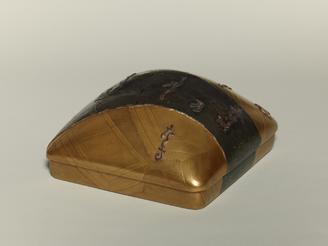
Box for Personal Items with a Design of Carriage Wheels in Water
片輪車螺鈿手箱
Lacquerware · Kamakura, 13th centuryTNM
Home › Browse › Lacquerware › Muromachi period › Writing Box with Figures Fulling Cloth

This box was used to store writing implements, such as an inkstone and a brush. It is made of lacquered wood and features designs rendered in maki-e, a technique that involves applying a design in lacquer and then sprinkling gold powder on top. When the lid is removed, it reveals an inkstone and water dropper on a shallow receptacle. The wooden sections above and below the inkstone are for holding a brush and a small knife. The surface of the lid features clouds and the moon on the top right. On the bottom right, a pillow decorated with a lion sits amid a field of autumn grasses including eulalia grass, balloon flowers, patrinias and thoroughworts, all traditionally beloved autumn motifs in Japan. The underside of the lid features a house surrounded by autumn grasses. We can see a man and a woman inside beating clothes with a wooden mallet called a kinuta. These implements were used to soften cloth and iron out creases. The sound of these mallets once echoed from many houses on autumn evenings, with the mallets eventually coming to symbolize autumn nights.
The design utilizes a variety of lacquer and gold powder techniques, including raised and flat gold powder designs and fine lines formed by sprinkling gold powder onto narrow lines of lacquer. Actual gold and silver pieces have also been adhered in various places to striking effect. The skillful application of gold powder and the clear-cut shape of the box are impressive features. Hidden amidst the design on the lid are five Chinese characters rendered in silver powder. These are taken from a waka poem by Fujiwara no Toshimori, a noble who lived during the 12th century, during the Heian period. This suggests the designs are also based on that poem. As shown here, Japanese art often features designs based on stories and poems, with some designs even incorporating text from works of classical literature. Naturally, a certain degree of literary knowledge would have been needed to understand these references.
— Museum description: Tokyo National Museum (CC BY 4.0), via ColBase / Japan Search.