National Treasure

Blade for a Dagger ("Tantō"), Named "Atsushi Tōshirō”
短刀(名物 厚藤四郎)
Swords & Armour · Kamakura, 13th centuryTNM
Home › Browse › Swords & Armour › Kamakura period › Blade for a Long Sword (Tachi), Named Daihannya Nagamitsu

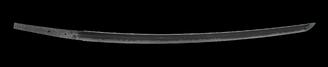
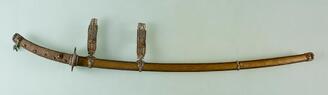
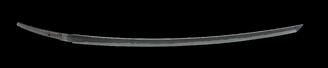
One important thing to consider when appreciating Japanese swords is the tempering pattern that gleams between the black and white sections of the blade. This sword's uneven pattern creates a lively impression with its disorderly mix of various shapes. It features a complex combination of clove-like shapes and semicircles. Nagamitsu was a swordsmith active in the 13th century in Osafune, an area in the southeast of present-day Okayama Prefecture. He laid the foundations for the prosperity of the Osafune school, Japan's most prominent group of swordsmiths until the 16th century. This outstanding work is known as “Daihannya Nagamitsu.” A “kan” was a monetary unit during the Muromachi period. The sword was worth 600 kan, a vast sum likened to the 600 volumes of a sacred text, the Great Perfection of Wisdom Sutra.
The Japanese name for this sutra is “Daihannya-kyo,” hence the word “Daihannya” in the sword's name. It is said the sword originally belonged to the Ashikaga shoguns before coming into the possession of the 16th-century warlord Oda Nobunaga. He then passed it on to Tokugawa Ieyasu, the samurai warlord and politician who founded the Edo shogunate, with Ieyasu then gifting it to his retainer Okudaira Nobumasa. Created in the 1200s by the master swordsmith Nagamitsu, this blade is widely considered a masterpiece because of its flawless craftsmanship. It was a prized possession of many historical figures, including the Ashikaga Shoguns and Tokugawa Ieyasu (1543–1616), the samurai warlord who unified Japan during the Warring States period.
— Museum description: Tokyo National Museum (CC BY 4.0), via ColBase / Japan Search.