National Treasure

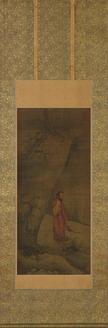
Snowy Landscape
雪景山水図軸
Paintings · Kamakura, 13th centuryTNM
Home › Browse › Paintings › Kamakura period › The Philosopher Confucius
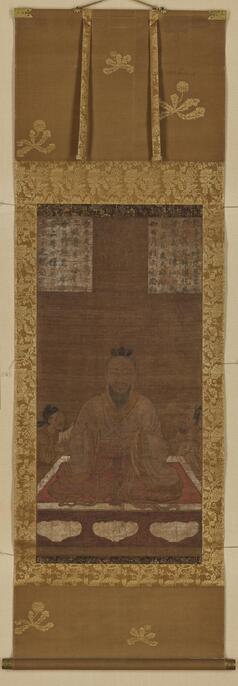
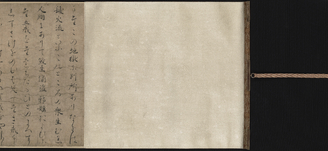
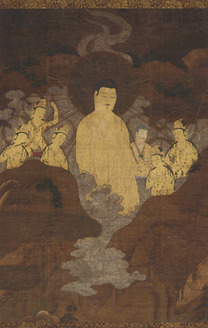
Confucianism, a Chinese philosophy stressing order and moral conduct, was very influential in Japan. This image of its founder, which includes a short biography, was worshipped in rituals. This is the oldest extant portrait in Japan of Confucius, a philosopher of China's Spring and Autumn period and the founder of Confucianism. Portraits of Confucius were brought to Japan from China during the Nara period in the 8th century. It is thought they were used in sekiten, a ceremony held to honor Confucius and other ancient Confucian sages. Sekiten was performed twice a year, once in the second month during spring and once in the eighth month during autumn. Due to a lack of surviving works, though, we have no clear idea what kinds of portraits of Confucius were used in Japan before the Early Modern period. Let's take a closer look at this portrait.
Confucius looms large in the center. He sits on a platform used by officiating priests during incantations and prayers. His left hand rests by his side while his right hand is raised with palm facing the viewer and ring finger and little finger held down. This appearance is reminiscent of portraits of Vimalakirti, one of Sakyamuni's followers. Vimalakirti was a lay practitioner who became a devout Buddhist while continuing to live a normal life. Furthermore, though paintings of Confucius usually show him turned diagonally, here he faces the front. Two figures also sit to the left and right of him. As he faces front, Confucius appears to be the central figure in a Buddhist triad, with the two other figures as his attendants. Perhaps this work was based on Buddhist paintings or was used in ceremonies related to Buddhism.
— Museum description: Tokyo National Museum (CC BY 4.0), via ColBase / Japan Search.