National Treasure
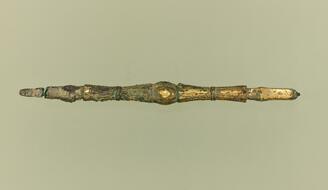
Shiketsu (Posts Erested at Four Corners of Alter to Rope off Sanctuary), Gilt bronze
独鈷
Metalwork · Heian, 12th centuryTNM
Home › Browse › Metalwork › Muromachi period › Tea Kettle (Shinnari Gama) with Pines on the Shore
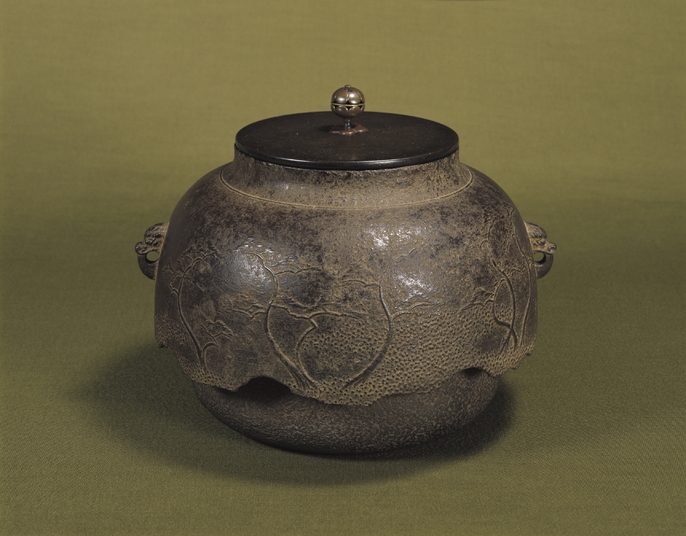
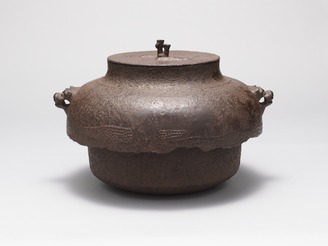
This is an iron kettle used for boiling water during the tea ceremony. It has a rounded shape. Though the lower part of the body appears to be cracked, this area was once surrounded by a brim that continued down to the base. The slightly smaller base we see here was added later. The two demon-shaped lugs on either side have holes to attach rings for carrying the kettle. The body features a design of pines on a sandy beach. Some parts of the surface have a shiny, lustrous quality that resembles the scales of a catfish. The pines-on-beach design, simple round shape and shiny catfish-like surface amply demonstrate the characteristics of kettles made in Ashiya, an area located in the northern part of modern-day Fukuoka prefecture. Kettles produced in Ashiya were cherished as a kind of top-class luxury item. Ashiya was originally a site of metal casting, a technique that involves pouring molten metal into molds to create various utensils, with the area eventually developing the techniques to produce the very finest products. In the 13th century, during the Kamakura period, Japanese priests travelled to China to study the new teachings of Zen Buddhism. They later returned to Japan with tea seeds.
This marked the start of tea cultivation in Japan, with tea drinking then becoming a popular medicinal practice among the aristocracy and the priesthood. This led to the emergence of various utensils and spaces devoted to tea drinking, with detailed rules of etiquette also developed. These rules crystallized into a philosophy and cultural practice known as “the way of tea,” which still has many practitioners today. Many cultured individuals and powerful figures were entranced by the tea ceremony. As time passed, the practice also gave rise to various arts, crafts, and cultural accomplishments. As with other tea utensils, kettles were not made solely to boil water but also to serve as objects of appreciation, with the aesthetic sensibilities of the tea ceremony reflected in the shapes, textures, and patterns of the kettles. Iron tea kettles produced in the Ashiya area of northern Kyushu were coveted goods, achieving brand-name status as Ashiya Kettles. This example was made in the most basic shape, known as [shinnari] (true form). Its surface features a traditional design of elegantly curved pines along a windswept seashore.
— Museum description: Tokyo National Museum (CC BY 4.0), via ColBase / Japan Search.