National Treasure
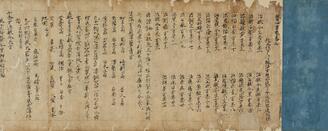
Volume 4 of the Heart of Medicine (Ishinpō), Hair and Skin
医心方 巻第四 鬢髪部
Calligraphy & Books · Kamakura, 13th centuryTNM
Home › Browse › Calligraphy & Books › Kamakura period › Buddhist Verse (Called “The Torn Xutang”)
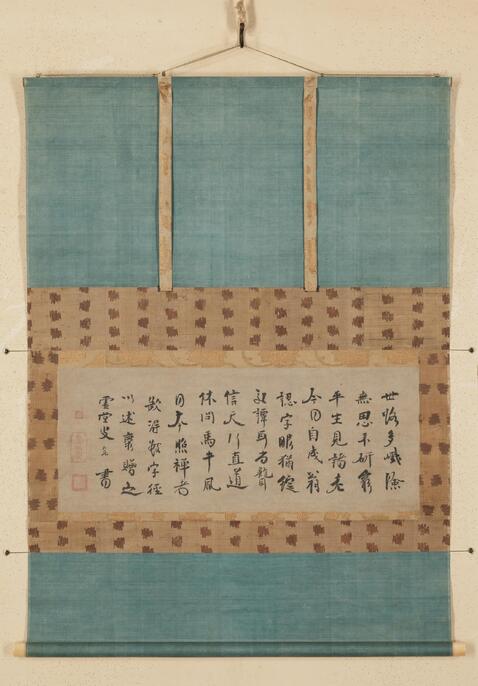
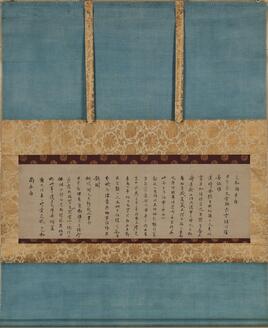
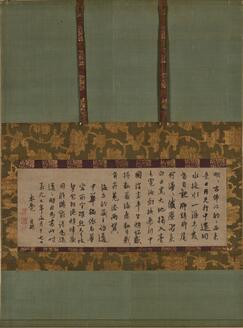
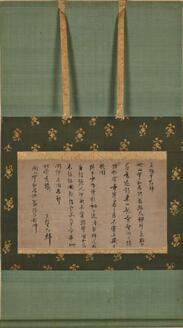
This text was written by Xutang Zhiyu in his later years. He was one of the leading Chan Buddhist monks of the Southern Song dynasty in China. This poem was addressed to one of his disciples, a young man who came from Japan to learn under him; some parts of the poem seem intended to admonish the young man, instructing him to stop asking so many questions In Japan, this sort of hanging scroll with calligraphy was often hung and appreciated at tea ceremonies. In the past, this work passed through the collections of many renowned tea masters, including Takeno Jo’o and Matsudaira Fumai, and it has been hung up in many famous tea rooms as an eminent work. As it moved from owner to owner, its mounting was changed to match the tastes of each time, and the piece was diligently cared for.
However, even the most carefully cared for treasures can still meet with disaster. In the Edo era, in the early half of the 17th century, this calligraphy was in the possession of a merchant in Kyoto. One day, a servant who worked for the merchant shut himself in the warehouse and committed suicide. This work was kept in the warehouse at the time and it was mercilessly cut up in the fray. This is how it earned its odd name of “The Torn Xutang,” meaning the torn-up writing of Xutang Zhiyu. The style of writing is quite unique, and while some characters appear to have been written playfully, others are written in perfect form. It would be interesting to imagine what type of person Xutang might have been by looking at his writing.
— Museum description: Tokyo National Museum (CC BY 4.0), via ColBase / Japan Search.