National Treasure

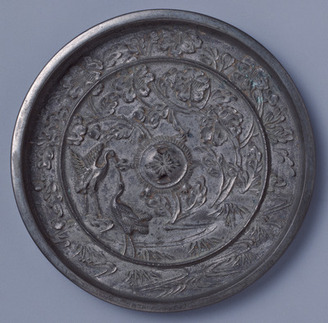
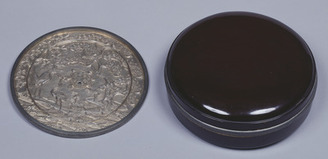
Comb Box with Pine and Camellia in Makie and Combs in Makie (Sacred Treasures from Asuka Shrine)
阿須賀古神宝類 松椿蒔絵櫛箱・蒔絵櫛
Textiles · Nanbokuchō, 14th centuryKyoto NM
Home › Browse › Textiles › Nanbokuchō period › Buddhist Surplice with Peonies and Arabesque Patterns in Gold Leaf
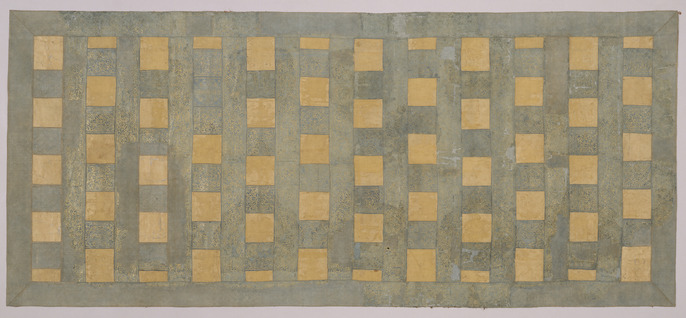
This priest's robe, twenty-five fragments of twill-silk sewn together, has an interesting legendary background: Ryushu Shutaku (1308-1388), a Zen monk of the Nanzen-ji Temple, once dreamed of obtaining the robe of the Chinese master Wu Zhun (1177-1249). On the very following day, Shutaku was presented with the robe, which the senior priests named “Omui: (the robe in the dream)” based on his auspicious dream. There is no way of ascertaining whether it actually belonged to Wu Zhun or not, but from its peculiar textile, the lively peony arabesque, and the technique of gold-leaf imprint, the date of the robe is traced back to the Southern Song Dynasty. Said to be worn for an audience with the Emperor in his palace, this priest's robe displays splendid artistry.
— Museum description: Kyoto National Museum (CC BY 4.0), via ColBase / Japan Search.