National Treasure
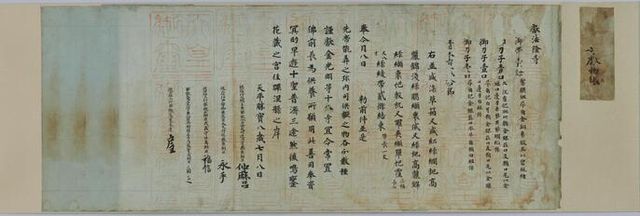
Record of the Imperial Bequest to Hōryūji Temple
法隆寺献物帳
Art Objects · Nara, 756TNM
In 1878 the temple of Hōryūji — founded in the age of Prince Shōtoku, keeper of the world's oldest wooden buildings — presented more than three hundred of its treasures to the Imperial Household. They passed in time to the Tokyo National Museum, whose Gallery of Hōryūji Treasures still shows them as a single bequest. This trail reads the bequest through its own paperwork, its seal, one priest's censer, and the photographs that show the temple the treasures came from.
The Record of the Imperial Bequest to Hōryūji (756): the inventory of Emperor Shōmu's possessions, presented by Empress Kōken to eighteen temples after his death. The Hōryūji copy is the bequest's founding document — a list that became a National Treasure.
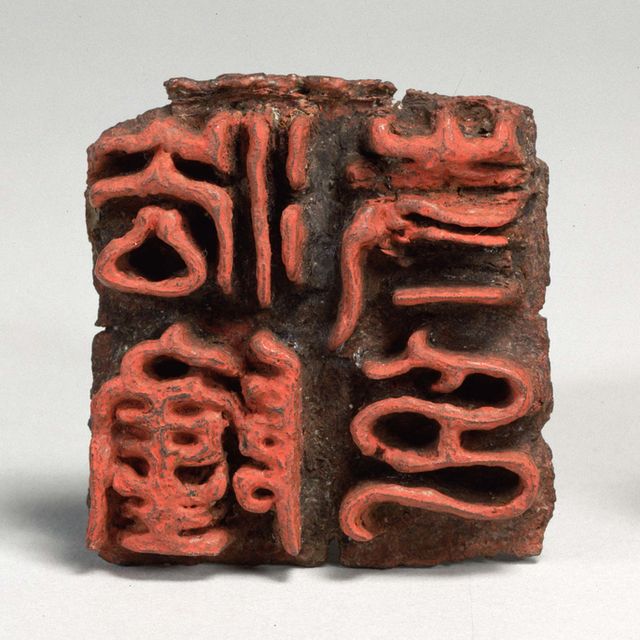
The seal of Hōryūji temple. Small, administrative, and quietly essential: the bequest was a transfer of custody, and custody is paperwork — stamps, lists, seals.
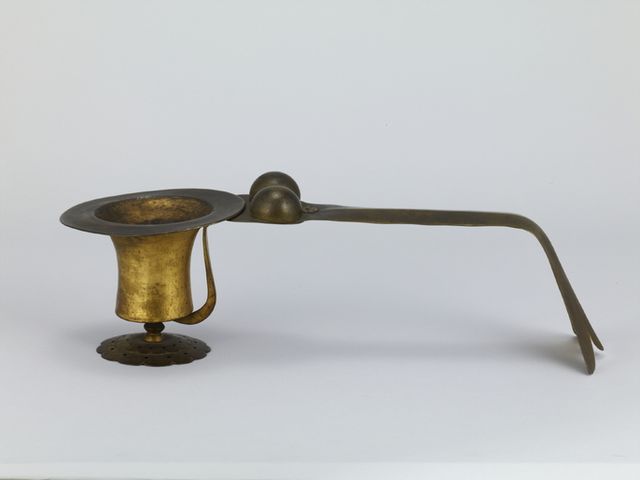
An incense burner with a magpie-tail handle, thought to have been used by Hyeja, the Goguryeo priest who taught Buddhism to Prince Shōtoku himself. If the tradition holds, this is an object from the founding generation of Japanese Buddhism.
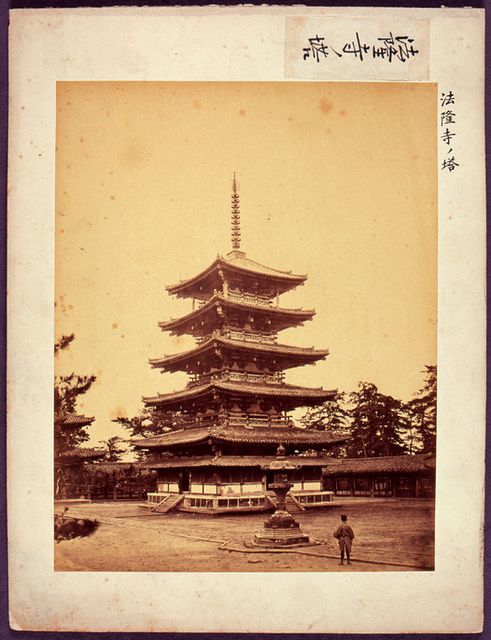
The five-storied pagoda of Hōryūji, photographed for the government's 1872 survey. The pagoda itself is a designated building and cannot be a catalogue object — but its survey photograph can, and is.
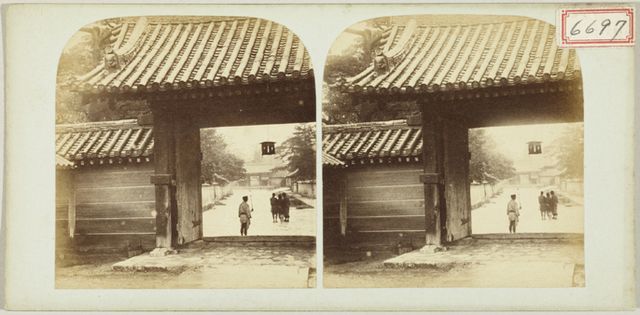
The Chūmon gate in the same survey. Photographed six years before the bequest left the temple, these views show the world the treasures were leaving.
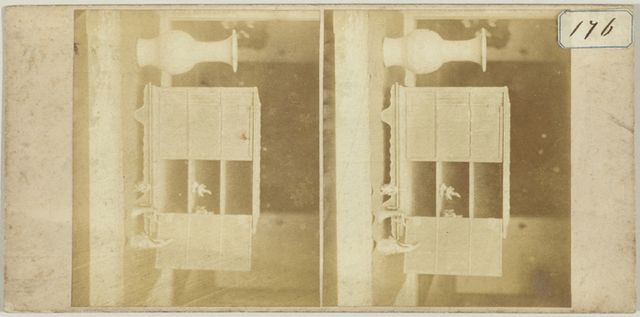
Cast Buddha statues and their box at Hōryūji, photographed in 1872 — treasures recorded in place, in the temple, before any museum entered the story.
The bequest is why the Asuka and Nara shelves of this catalogue lean so heavily towards one temple. Read the Art Objects hub next: its 242 works are, in effect, this bequest and its neighbours, object by object.