National Treasure

Ritual Objects Used to Consecrate the Site of Kōfukuji Temple, Bowl
興福寺鎮壇具 金銅鋺
Metalwork · Nara, 8th centuryTNM
Home › Browse › Metalwork › Nara period › Ritual Objects Used to Consecrate the Site of Kōfukuji Temple, Large Gilt-Bronze Bowl
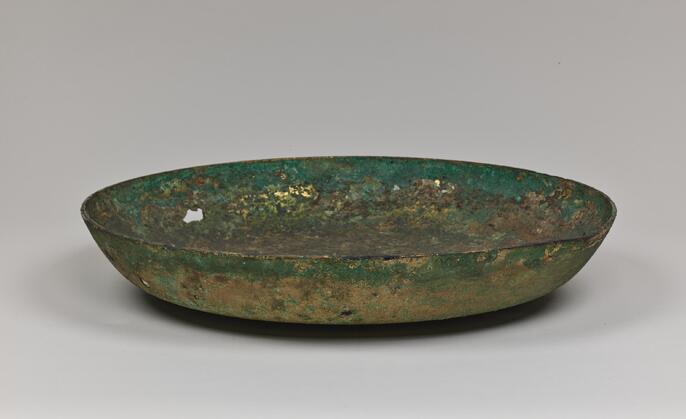
These kind of votive objects were buried beneath temples when they were built. They were dedicated to the gods of the land to appease them and seek their protection for the temple's halls and pagodas. Similar consecration ceremonies are still practiced in Japan today when new houses are built. These items were excavated in 1874 from below the foundation of the altar of the Central Golden Hall at Nara's Kohfukuji Temple. This is actually just a small selection of the total collection - thirty types of objects and 1,400 individual items were unearthed at the time. Later, silver bowls, beads, and other items were also discovered in the same location in 1884, though these became the possessions of Kohfukuji. Ritual objects buried before the Nara period have also been found in places like the pagoda at Kawara-dera Temple or the Great Buddha Hall of Todaiji Temple, both in Nara.
However, none of these discoveries matches the sheer volume and variety of this collection. Among the findings at Kohfukuji were precious metals like gold ingots, gold dust, and hammered gold; precious stones such as crystal, amber, and agate; and ancient coins. It seems people thought they could inherit the land from the gods who lived there by offering these precious items. The collection also includes a number of utensils such as gilt bronze and silver bowls, platters, spoons, and mirrors. When the Main Hall of Kohfukuji Temple was constructed, a number of ritual objects were buried beneath it to placate the gods of the land and ensure its successful construction.
— Museum description: Tokyo National Museum (CC BY 4.0), via ColBase / Japan Search.


